
Your Video Needs One Big Idea — Not Five
The best videos feel effortless. One idea shines through. One message lands. One takeaway sticks with the audience long after the video ends. That clarity isn’t an accident — it’s the result of choosing a single idea and letting everything else support it.
When a video commits to one message, the story becomes sharper, the visuals feel intentional, and the audience knows exactly what they’re meant to feel. That’s the power of focus.
This piece is about finding that one idea — and why keeping it simple is what makes your video unforgettable.
Why One Big Idea Works (and Five Don’t)
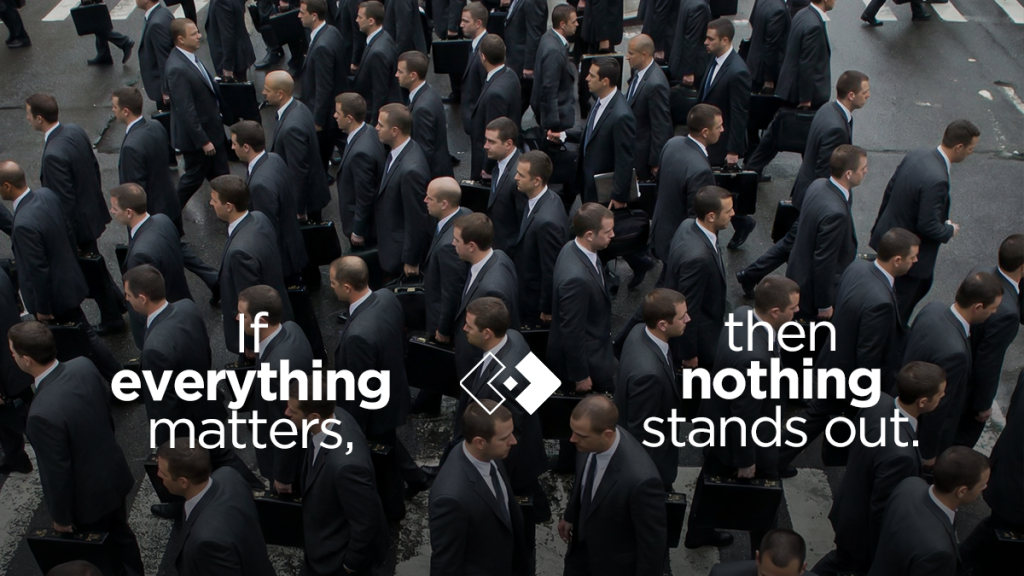
Clarity is one of the most powerful creative tools you have. When a video is built around a single idea, everything becomes easier for the audience — and for the story. The message becomes sharper. The emotion has room to land. The viewer understands what the piece is trying to say within seconds, but when a video carries multiple ideas at once, the impact starts to scatter.
Instead of one clear message, the audience gets fragments. Instead of a strong feeling, they get a general impression. And general impressions don’t stick.
One idea creates alignment. It tells the viewer, “This is what this video is about.”
And when everything supports that one message — structure, visuals, pacing, voiceover — the piece feels intentional, cohesive, and memorable.
The simplest ideas are often the ones that have the biggest impact. Not because they lack depth, but because they give depth room to breathe.
What a Big Idea Actually Is
A big idea isn’t a slogan, a feature list, or a collection of talking points. It’s the central message your entire video revolves around — the one thing the audience should take away, even if they forget everything else.
It can be a point of view:
“Innovation starts with direction, not speed.”
It can be a promise:
“This tool helps your team move with confidence.”
It can be a feeling:
“This brand believes in people first.”
What it can’t be is everything.
If your “big idea” needs bullet points to explain itself, it’s not an idea — it’s a list.
A strong idea is simple enough to remember and meaningful enough to matter. It’s the spine the story hangs on. Once it’s clear, every decision becomes easier: what stays, what goes, and what actually moves the audience.
How Videos Get Overstuffed in the First Place
Most videos don’t become complicated on purpose. They become complicated because it’s tempting to try to communicate “everything that matters” in one piece. When you only have a short window to speak to your audience, it can feel safer to say more.
That pressure leads to crowding:
A little brand story here, a few features there, a value prop, a tagline, a vision statement — and suddenly the message has five competing priorities.
Another common reason is uncertainty about the video’s purpose. When the goal isn’t clearly defined, it’s easy to keep adding ideas “just in case.”
None of this comes from a lack of good intentions. It comes from wanting the video to work hard.
A video works hardest when it works **simply**: one idea, delivered with confidence.
How to Find the One Idea Your Video Should Carry
Finding the big idea isn’t about reducing your message — it’s about sharpening it. The goal is to identify the one thing the audience should remember, even if they forget every detail of the video.
A simple starting point is this question:
“If they walk away with only one sentence, what should it be?”
That sentence becomes your anchor.
From there, the process is about clarity, not cutting:
- Define what the audience cares about most.
- Decide what emotion or understanding you want them to leave with.
- Identify which parts of your message support that feeling — and which ones distract from it.
Once the core idea is clear, the rest of the piece aligns around it. The story becomes easier to shape, the visuals become more purposeful, and the final message becomes unmistakable.
The clearer the idea, the stronger the impact.
Structure That Supports One Idea
Once you know the idea your video is built around, the structure becomes much easier to shape. A clear message doesn’t just guide what you say — it guides how you say it.
A simple structure that supports one idea looks like this:
Hook → Setup → Core Message → Proof → Payoff
Hook
Capture attention by anchoring the viewer in the world of your idea.
Not everything — just the entry point.
Setup
Give just enough context for the viewer to understand why the idea matters.
Core Message
This is the heartbeat of the video — the single thought everything else reinforces.
Proof
Show, don’t stack. One strong example, moment, or explanation is enough when the idea is clear.
Payoff
Leave the viewer with a feeling or understanding tied directly to the idea.
Not a summary — a moment of resolution.
When the structure is this clean, the viewer never questions what the video is trying to say. Every scene, every line, every visual pushes in the same direction. That alignment is what makes a simple idea feel powerful.
Clarity Isn’t Limiting — It’s What Makes the Message Land
When a video is built around one idea, everything strengthens: the narrative, the pacing, the tone, the emotional impact. The message becomes easier to understand and harder to forget. In a landscape full of noise, simplicity isn’t a constraint — it’s an advantage.
A focused idea doesn’t reduce what a video can do. It amplifies it.
Clarity is what gives your story room to resonate.
It’s what turns a good video into one that actually changes how someone thinks, feels, or acts.
One idea. One message. One moment that stays.